October 2, 2026
A protective overhead system forms the primary defensive shield for any building, guarding interior spaces, structural framing, and occupants against harsh environmental elements. Over time, continuous exposure to shifting weather patterns, intense sunlight, windblown debris, and freezing temperatures gradually weakens surface materials. While routine maintenance helps prolong the operational durability of overhead structures, every system eventually reaches the natural end of its functional life. Identifying early indicators of advanced material degradation enables property owners to address structural concerns before major structural failures occur. Collaborating with local roofing companies ensures that subtle signs of physical wear are properly diagnosed, systematically inspected, and accurately evaluated. Understanding when an overhead system requires comprehensive restoration prevents widespread interior moisture damage, preserves structural integrity, and maintains overall property value over time. Property owners who actively monitor overhead conditions can take proactive measures before minor material breakdown turns into a major structural issue. Regular visual inspections provide valuable foresight, allowing individuals to prepare for necessary structural updates long before unexpected weather events cause emergency complications.
1. Damaged or Missing Surface Materials
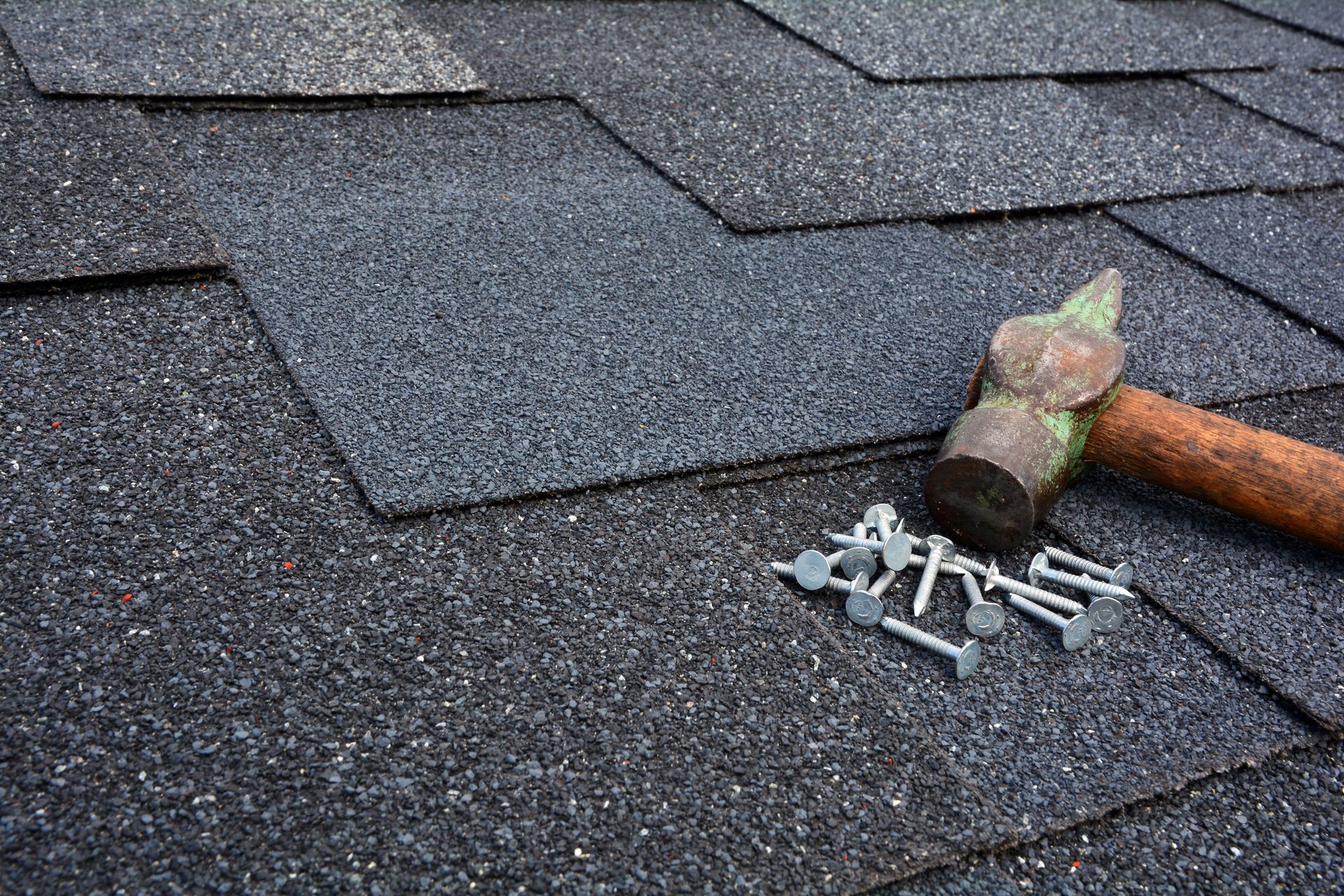
Individual surface elements act as the outermost line of defense, repelling rainwater, heavy snow, and atmospheric moisture. When materials display visible cracking, curling along outer edges, or complete detachment, the underlying weatherproofing barriers become vulnerable to direct moisture exposure. Strong wind gusts can lift weakened shingles, creating direct pathways for driving rain to penetrate underlying wooden decking. Over extended periods, constant thermal expansion and contraction cause surface layers to split or warp, compromising their ability to shed water effectively. Homeowners frequently consult local roofing companies to inspect individual shingles and determine whether minor localized repairs remain viable or if widespread material failure necessitates a full system upgrade. Ignoring displaced or distorted surface layers permits water to pool beneath protective barriers, accelerating rot within underlying framing timber. Systematic inspections after severe windstorms help catch lifted materials early, preventing moisture from seeping into internal ceiling layers. Keeping a watchful eye on physical surface consistency remains essential for maintaining complete overhead protection throughout every season. Replacing deteriorating surface components promptly maintains consistent shielding across the entire structure, preserving internal building materials and preventing moisture from migrating into sensitive wall spaces.
2. Excessive Granule Accumulation in Drainage Systems
As asphalt-based surface materials mature, the protective mineral coatings embedded on their outer surfaces slowly loosen and detach under weather exposure. Rainwater carries these tiny mineral particles down sloped surfaces directly into perimeter gutters and drainage downspouts. While minor particle shedding occurs naturally throughout the lifespan of new materials, finding heavy piles of coarse granules in drainage channels indicates severe surface erosion. Without this protective mineral shield, underlying asphalt layers remain directly exposed to damaging solar rays, which causes rapid drying, cracking, and loss of flexibility. Relying on local roofing companies allows property owners to evaluate overall structural health and determine if mineral depletion has reached a critical stage. According to HomeGuide, replacing an entire roofing system generally requires one to eight days, contingent upon selected materials, overall surface area, slope, and installation complexity. Once mineral shedding exposes bare asphalt backing, surface materials lose their structural resilience and water-repellent capabilities. Monitoring gutter cleanouts for unusual accumulations of mineral sand serves as a clear indicator that protective outer coatings are wearing thin. Clearing gutters regularly provides an ideal opportunity to inspect runoff sediment and identify signs of advancing surface degradation.
3. Visible Drooping or Sagging along Rooflines
A healthy overhead structure maintains straight, clean lines along ridge boards, valleys, and horizontal eaves. When visible dip formations or noticeable sagging appear along sloped planes, underlying structural components have likely suffered compromise from trapped moisture or excessive weight. Moisture infiltration rots interior plywood decking, support rafters, and load-bearing trusses, diminishing their capacity to support structural weight. Engaging qualified local roofing companies becomes necessary when structural deck boards begin to bow under normal load conditions. Sagging indicates that water has penetrated primary waterproofing layers and saturated internal framing components over prolonged durations. Leaving structural deflection unaddressed creates severe safety hazards, as weakened framing can fail under heavy winter snow accumulation or severe rainfall. Prompt professional evaluations help identify whether damp decking requires targeted replacement or if framing reinforcement is needed across affected sections. Maintaining straight structural contours prevents water from pooling in low spots and protects the entire building framework from sudden structural collapse. Addressing structural deflection as soon as it appears stops moisture from weakening additional support beams and preserves total building stability.
4. Daylight Penetration inside Upper Attic Spaces
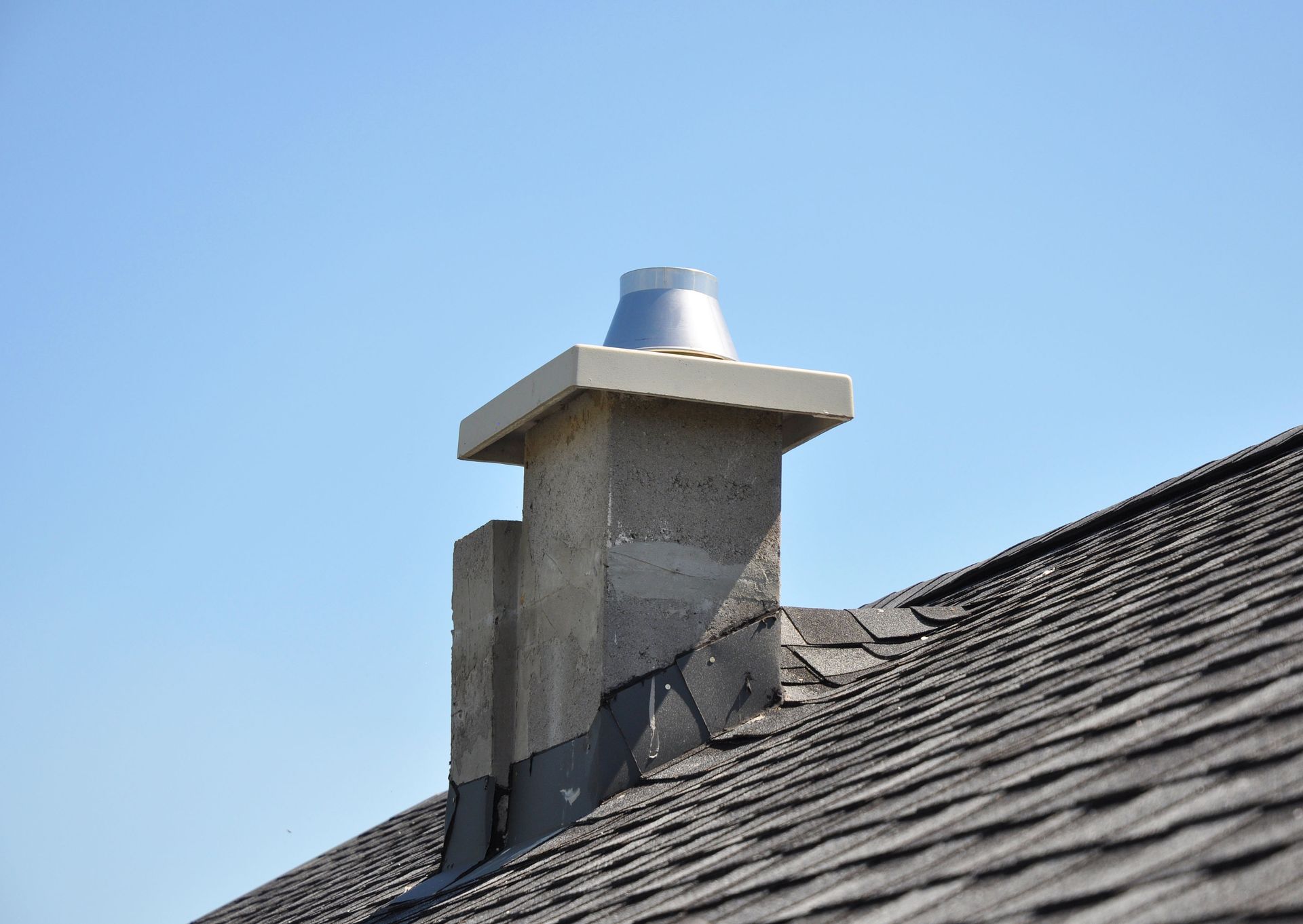
Attic spaces offer valuable insight into the physical state of an overhead weather barrier. Inspecting dark upper spaces during bright daylight hours reveals hidden structural gaps, shifted flashing strips, or degraded underlayment materials. If visible beams of natural light pass through roof boards or around chimney joints, water will inevitably follow those exact pathways during heavy rainfall. Gaps in upper decking allow wind-driven rain and outdoor humidity to settle inside attic insulation, encouraging fungal growth and compromising building thermal efficiency. Reputable local roofing companies can perform thorough attic evaluations to trace light infiltration back to its exterior origin. Small structural openings also invite outdoor pests, insects, and airborne debris into internal storage areas. Sealing structural gaps immediately prevents interior moisture accumulation, protecting ceiling drywall and framing components below. Regular attic inspections during daytime hours provide a simple yet highly effective method for discovering hidden leaks before interior water stains appear on residential ceilings. Inspecting ventilation spaces alongside structural sheathing ensures that moisture escapes properly without permitting exterior water or sunlight to enter.
5. Persistent Indoor Water Leaks and Moisture Stains
Water marks appearing on upper ceilings, interior walls, or around light fixtures signal advanced overhead moisture intrusion. When protective barriers break down, water travels along structural rafters before dripping onto internal drywall surfaces. Discolored rings, peeling wall paint, and damp drywall indicate that water has bypassed exterior surface materials and saturated internal insulation layers. Experienced local roofing companies provide comprehensive diagnostic reviews to pinpoint exact entry points, as water often enters high up on sloped surfaces before appearing elsewhere inside living quarters. Persistent moisture creates ideal conditions for internal biological growth, which impacts indoor air freshness and degrades building materials. Ignoring minor moisture spots allows water damage to spread rapidly through wall cavities, ceiling joints, and structural supports. Addressing moisture intrusion quickly minimizes interior repairs and restores complete weather protection overhead. Timely diagnostic care prevents deep structural rot and keeps interior living spaces completely dry, secure, and comfortable during severe storm events. Resolving moisture issues early preserves structural safety while keeping internal living areas clean and healthy.
Recognizing early signs of structural degradation allows property owners to safeguard their buildings against severe weather impacts and extensive interior damage. Damaged surface materials, heavy granule loss in gutters, sagging rooflines, daylight entering attic spaces, and persistent water stains all indicate that an overhead weather barrier requires professional attention. Partnering with local roofing companies ensures your property remains protected with reliable diagnostic evaluations and comprehensive restoration solutions. Taking proactive steps today prevents unexpected structural failures and preserves the long-term integrity of your entire property.
If you are ready for a durable, high-performing overhead system, contact us at Stanley Contracting Co today. We will help you protect your home with complete diagnostic expertise and long-lasting quality care.